
The Purpose and Benefits of Dry-Lining
As passive fire protection specialists, we work with a wide range of internal wall and ceiling systems. Dry-lining is one of the most widely used methods for finishing internal spaces in modern construction, and for good reason. It offers practical, cost-effective and performance-led benefits for both new-build and refurbishment projects.
What is Dry-Lining?
Dry-lining is the process of fixing plasterboard to internal walls and ceilings to create a smooth, ready-to-finish surface. Unlike traditional wet plaster, it involves no drying times and can incorporate insulation, service voids and specialist boards for enhanced performance, including fire resistance.
Boards can be fixed directly to masonry, attached to metal or timber stud frameworks or installed as part of a complete partition system. Once joints are taped and filled or boards are skimmed, the surface is ready for decoration.
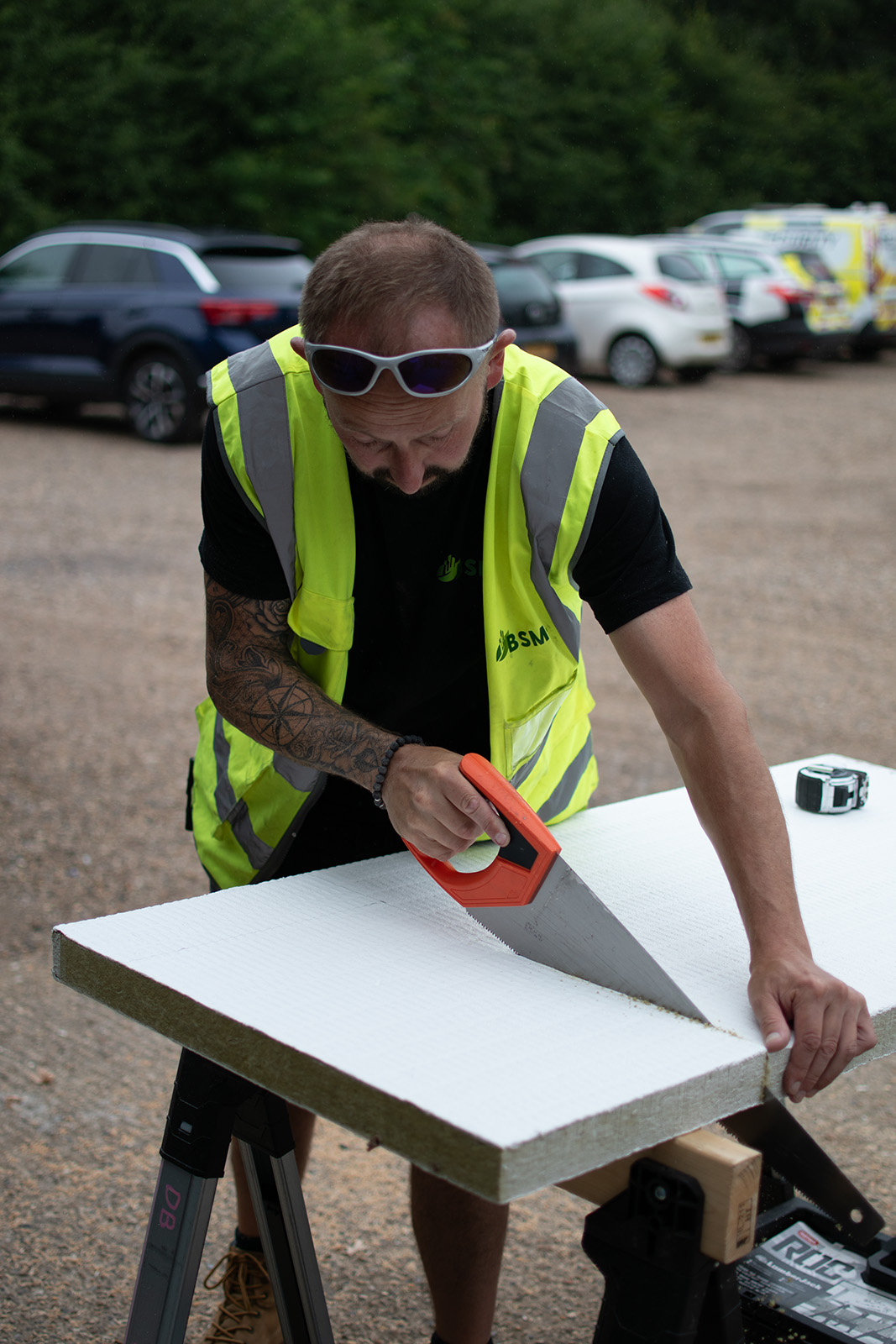
The Purpose of Dry-Lining
Dry-lining is chosen not only for appearance but also for how it improves the performance of a building. A correctly specified and installed system can:
- Provide fire resistance by using tested fire-rated boards and systems
- Improve acoustic performance between
rooms and floors - Enhance thermal insulation to support
energy efficiency - Create service voids for electrical and
mechanical installations - Speed up construction programmes compared with wet plaster
- Provide a level, consistent finish ready for painting or other wall coverings
These outcomes are particularly important in sectors such as residential, commercial, healthcare and education, where safety, comfort and durability are key requirements.
Fire Protection and Compliance
Fire-resistant dry-lining systems are designed and tested to help contain fire within a compartment for a specified period, maintain structural integrity and limit the spread of flames and hot gases and protect escape routes, giving occupants time to evacuate safely.
To be effective, it is important that the fire performance of dry-lining systems is properly specified in line with regulations and manufacturers' test data and that installation is carried out with attention to detail. Penetrations, joints, fixings and interfaces with other building elements all need careful treatment.

Practical and
Commercial Benefits
Dry-lining also offers clear advantages from a project delivery and operational perspective. The speed and efficiency of installation, together without the need for curing time, help to reduce construction programmes and allow follow-on trades to start earlier. Its flexibility means partitions can be reconfigured more easily than traditional masonry, supporting future layout changes as buildings evolve.
Because dry-lining is lighter than blockwork, it can also help to minimise structural loading and, in some cases, foundation requirements. At the same time, it delivers a smooth, consistent finish that provides an excellent substrate for decoration and interior design. Combined with improved thermal and acoustic performance, these characteristics contribute to a quieter, more comfortable and energy-efficient internal environment for occupiers.
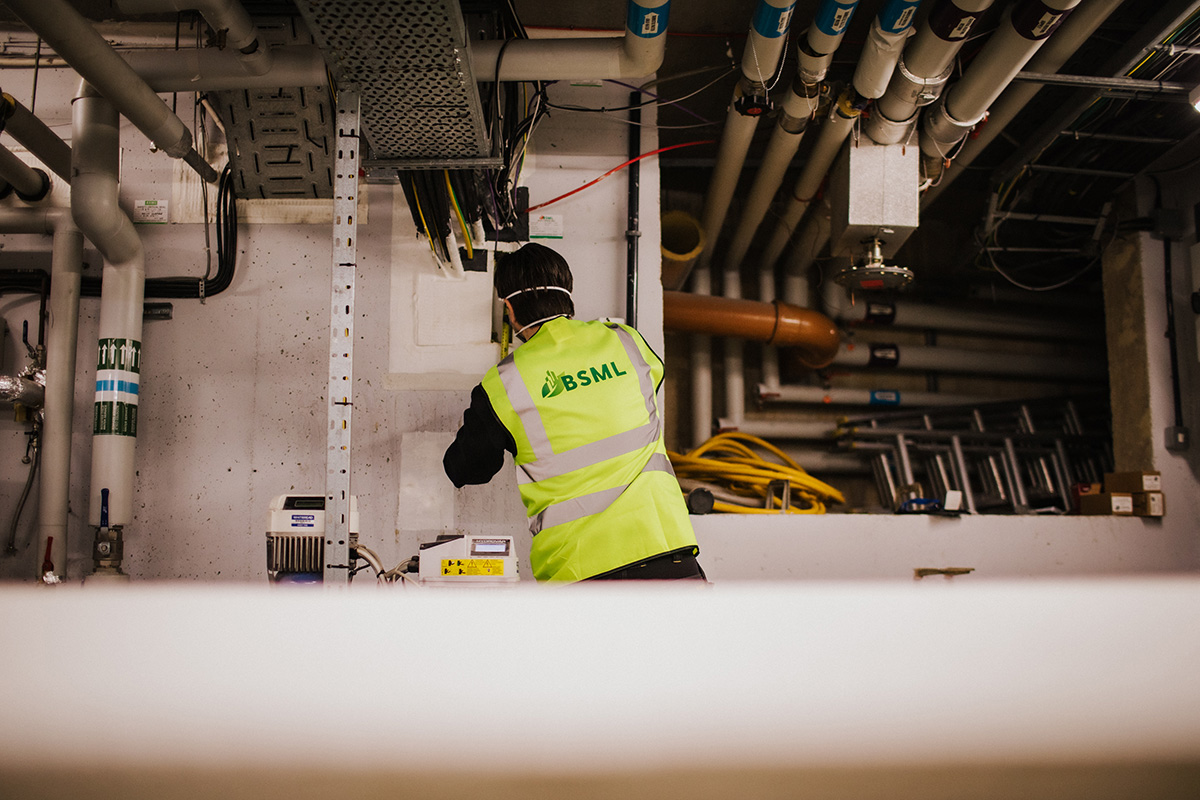
Here at BSML, we take pride in offering quality dry lining services. Get in contact with our team to learn more today.
The information provided in this article is for general guidance only and is not legal or professional advice.