
Passive Fire Protection in Care Homes
Care homes present some of the most demanding fire safety environments. Residents may have limited mobility, cognitive impairments or complex medical needs, all of which make a rapid self-evacuation impossible. That places a significant burden on the building itself to do what people cannot: contain fire and smoke long enough for a safe, assisted evacuation.
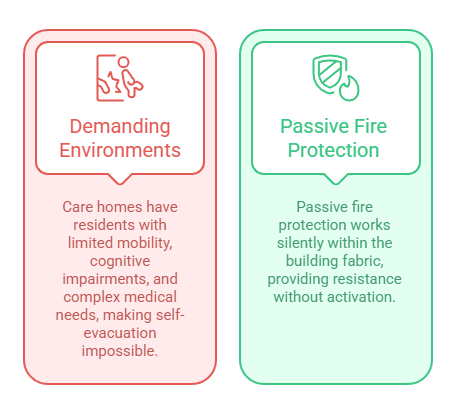
Passive fire protection is central to that capability. Unlike active systems such as sprinklers or alarms, passive fire protection works silently within the fabric of the building (in walls, floors, doors and service penetrations) providing resistance that needs no activation to function.
Why Care Homes Carry Elevated Risk
The combination of vulnerable occupants, 24-hour occupation and complex building layouts creates a risk profile that goes well beyond most commercial properties. Many care homes are older buildings that have been expanded or refurbished over time, which often results in gaps in fire compartmentation where cables, pipes and ducts have been threaded through walls and floors without enough sealing.
A single unsealed penetration can compromise an entire compartment, letting smoke and fire spread well beyond where they should be contained.
The Compliance Framework
Care homes in England fall under the Regulatory Reform (Fire Safety) Order 2005, with the Fire Safety Act 2021 and Fire Safety (England) Regulations 2022 adding more requirements around documentation, risk assessment and resident safety.
The responsible person (usually the registered manager or the building owner) is required to:
- Carry out and maintain a suitable fire risk assessment
- Ensure that fire compartmentation is inspected and maintained on a regular basis
- Keep records of all passive fire protection measures
- Act quickly on any deficiencies that have been identified
The Care Quality Commission also considers fire safety as part of its inspection framework, meaning failures in passive fire protection can have regulatory consequences well beyond fire safety legislation alone.
Where Passive Fire Protection Matters Most in Care Homes
Across a typical care home, the following areas most often require attention:
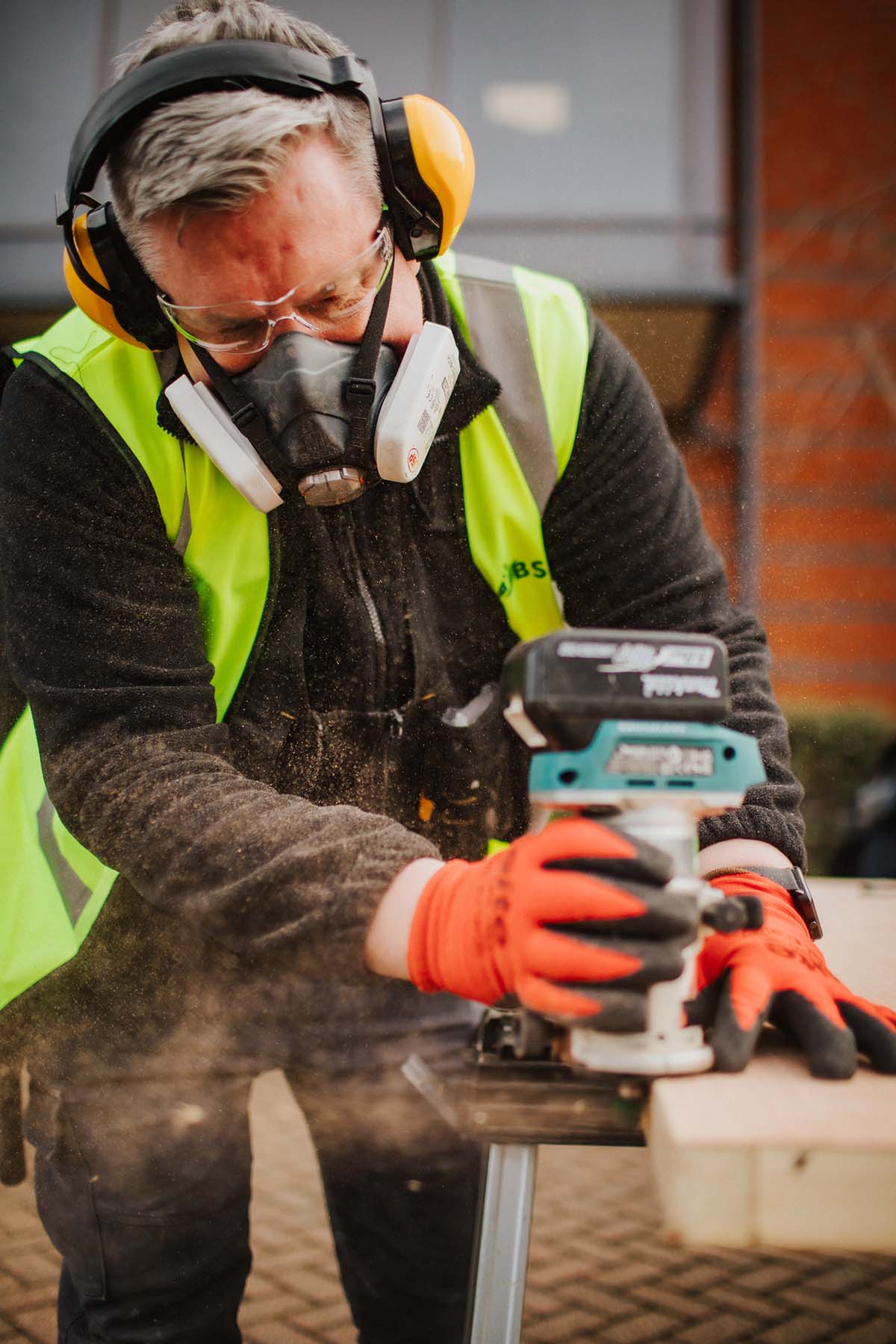
- Fire doors — every bedroom door, corridor door and staircase enclosure door must be correctly fitted, maintained and self-closing
- Penetration sealing — all service penetrations through fire-rated walls and floors must be sealed with appropriate fire stopping materials
- Cavity barriers — concealed voids above ceilings and within wall cavities need to be fitted with barriers that prevent unseen fire spread
- Service risers — vertical shafts carrying pipes and cables between floors are often a weak point in older buildings
Surveys and Remediation
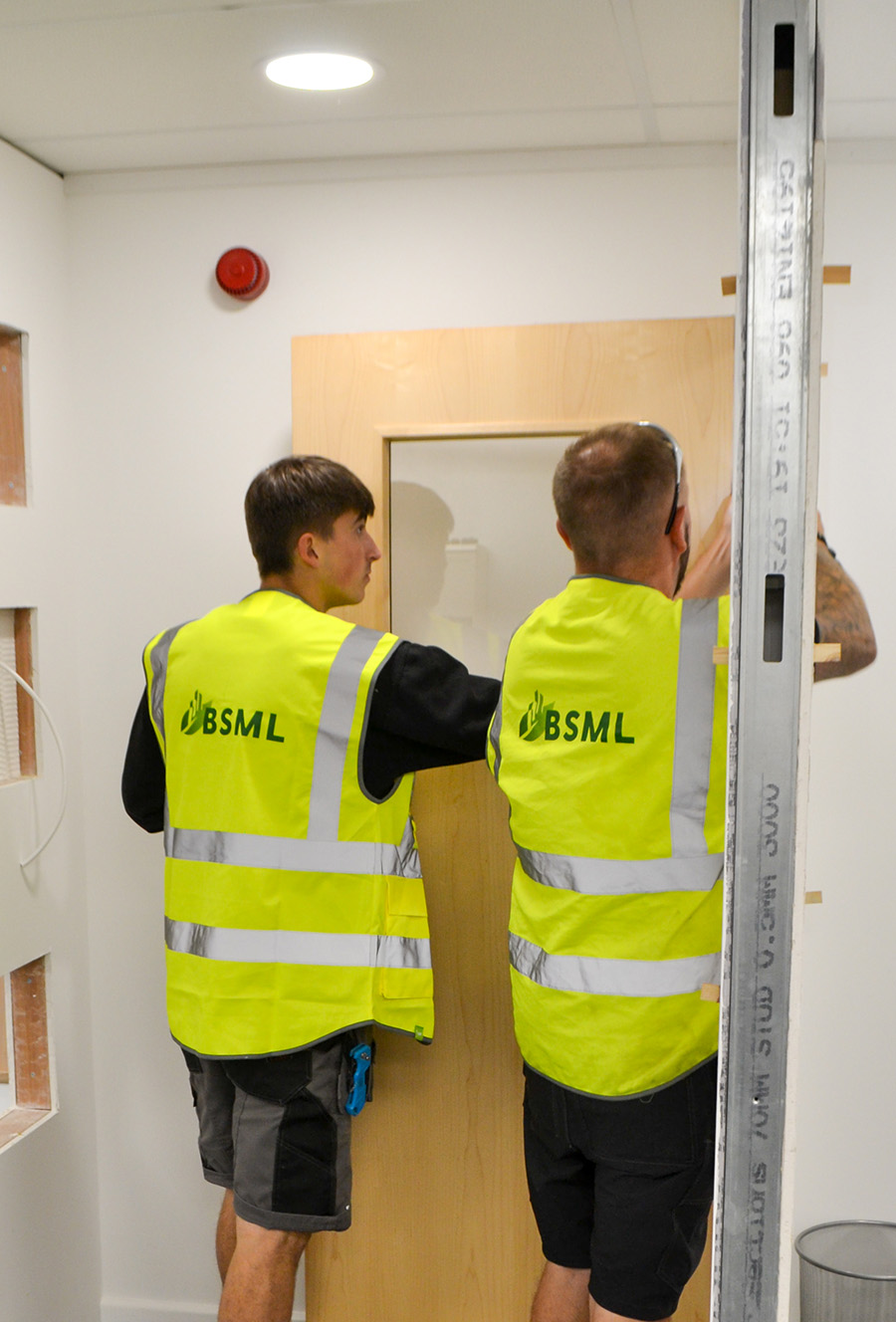
A passive fire protection survey provides a systematic assessment of where compartmentation has been compromised. At BSML, our FIRAS-accredited surveyors inspect the full fabric of a building, producing a clear report that identifies deficiencies and prioritises remedial works. Where work is needed, our specialist team can carry out fire stopping, penetration sealing and fire door installation and maintenance to a verified standard.
For care home operators, that means documented evidence of compliance and the confidence that comes with knowing the building’s passive fire measures will perform when it matters most.
If you’re thinking of booking a passive fire survey, get in touch with a member from our team today.
The information provided in this article is for general guidance only and is not legal or professional advice.