
What a Penetration Seal Actually Does and Why it Matters in Every Build
When a building is constructed or refurbished, countless pipes, cables, ducts and conduits need to pass through walls, floors and ceilings. It’s a practical necessity, but it creates a problem that many builders, developers and contractors overlook until it’s too late. Every one of those openings is a potential pathway for fire and smoke to spread quickly through a building. That’s exactly where penetration seals come in.
So, What Is a Penetration Seal?
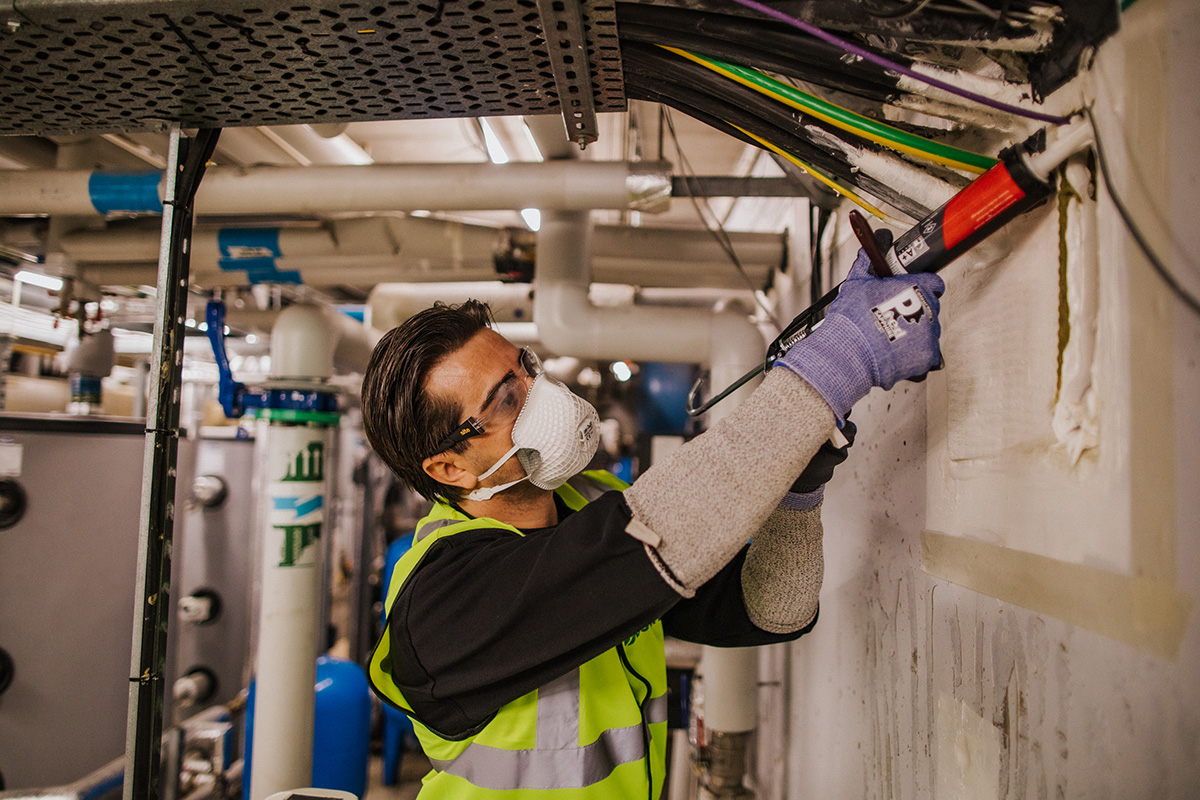
A penetration seal is a passive fire protection measure installed around any service (such as a pipe, cable bundle or duct) that passes through a fire-rated wall or floor. Its purpose is straightforward: to restore the fire resistance of that element to the level it was before the opening was made.
Without a correctly installed penetration seal, a fire-rated wall is no longer truly fire-rated. The gap around a single plastic pipe can be enough to allow flames, toxic gases and smoke to breach a compartment boundary, completely undermining the building’s fire strategy.
How Do They Work?
Penetration seals use specially tested materials to close the gap between the service and the surrounding structure. Depending on the type of service and construction, the solution might include:
- Intumescent collars - fitted around plastic pipes, these expand quickly when exposed to heat, crushing the pipe and sealing the void
- Fire-rated pillows or batts - used within service ducts or for cable bundles passing through walls and floors
- Intumescent sealants and wraps - applied to fill gaps around rigid or flexible services
- Mortar and board systems - used where larger openings require a more robust solution
Each product must be tested and approved for the specific penetration type, service material and construction it’s applied to. There is no one size fits all solution.
Why Does It Matter on Every Build?
The importance of penetration sealing goes far beyond box-ticking. Here’s why it matters on every single project:
- Compartmentation is only as strong as its weakest point. A building’s fire strategy relies on containing a fire to its zone of origin. One unsealed penetration can collapse that strategy completely.
- It’s a legal requirement. Approved Document B of the Building Regulations requires that fire compartmentation is maintained wherever services pass through it.
- It protects lives. Smoke inhalation is responsible for the majority of fire-related fatalities. Sealed penetrations slow smoke travel and buy critical time for evacuation.
- It supports your fire risk assessment. Unseal penetrations are a common, and serious, finding in fire risk assessments, potentially leaving building owners liable.
Getting It Right From the Start
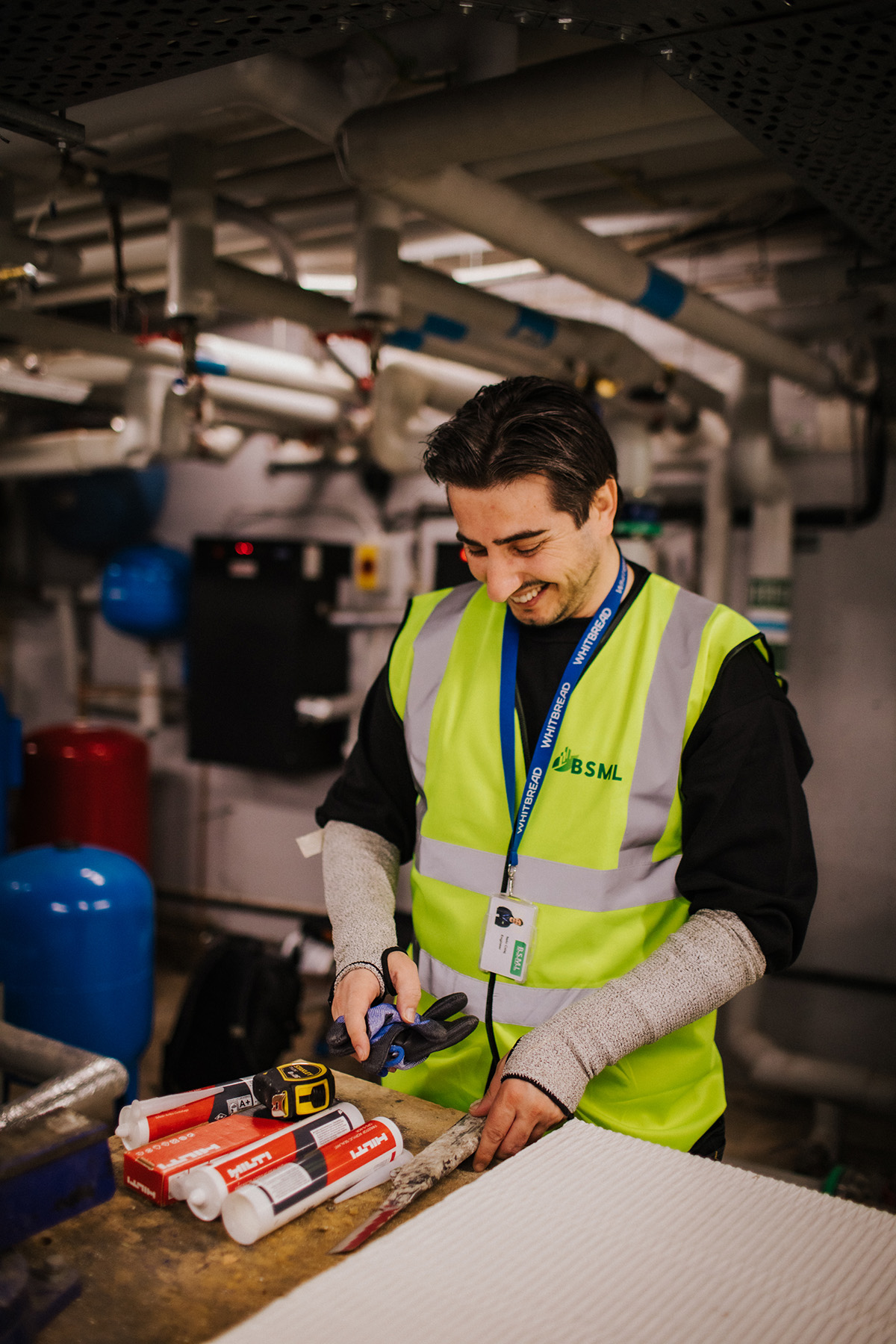
Penetration sealing should never be an afterthought. At BSML, we work with contractors, developers and building managers to ensure that every penetration is correctly identified, assessed and sealed to the appropriate standard. Our FIRAS-accredited teams installs tested, certified systems with full documentation, giving you the audit trail and peace of mind that compliance demands.
Whether you’re managing a new build, a refurbishment or a passive fire survey, getting penetration seals right from the outset protects your building, your occupants and your responsibilities as a dutyholder. To find out how BSML can support your project, get in touch with our team today.
The information provided in this article is for general guidance only and is not legal or professional advice.